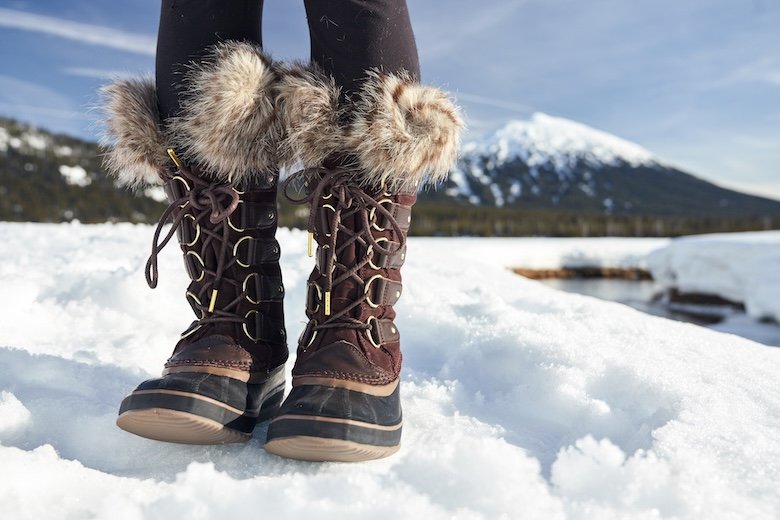
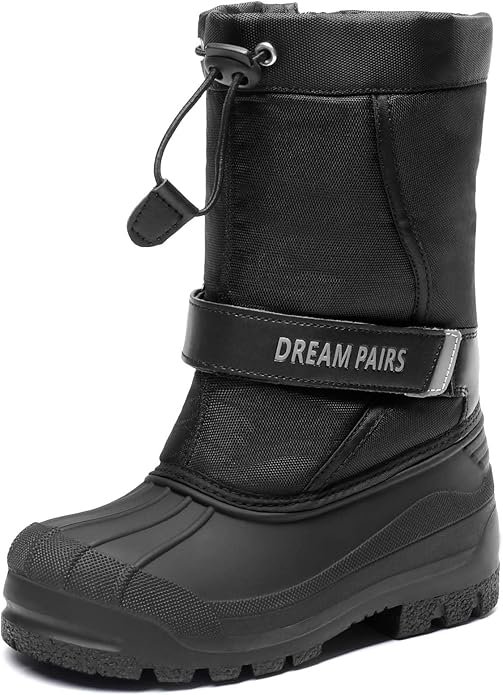
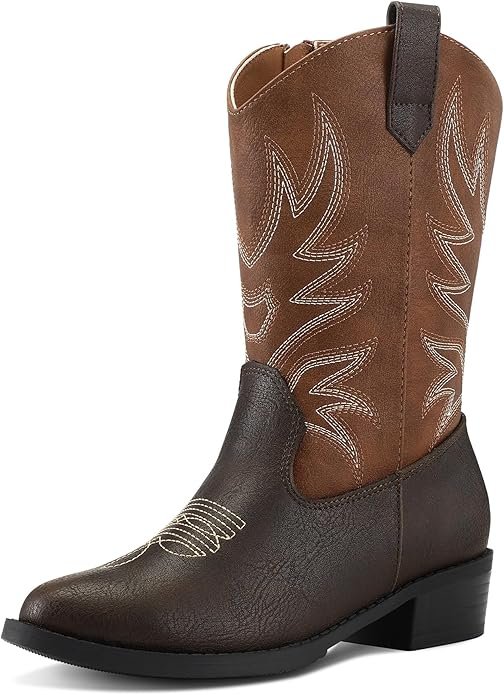
Winter is fast approaching, and when the first cold snap hits, nothing ruins a day out faster than wet, icy, uncomfortable feet. Whether you’re commuting through slush, navigating icy sidewalks or heading out for a snowy weekend adventure, your footwear choice matters. That’s why the right pair of waterproof winter boots isn’t just a luxury—it’s a necessity. In this article, we’ll walk you through how to choose boots that will keep you warm, dry and looking good, and then share our top affiliate-picked models you can find on Amazon. Let’s give your feet the protection they deserve this season.
1. Why Waterproof Winter Boots Matter
When winter arrives, the combination of cold, moisture and slick surfaces becomes a triple threat. According to buying guides, good winter boots aren’t only about warmth—they must also guard against water ingress and provide reliable traction. Wet feet = cold feet, and once your boots absorb slush or snowmelt, insulation and comfort rapidly degrade. A waterproof membrane + sealed seams help stop the moisture from ever getting in. And when walking on ice or wet pavement, traction becomes crucial. Outsoles with deep lugs and cold-flex rubber compounds make a real difference.
By investing in a quality pair of waterproof boots, you’re not only improving your comfort but also avoiding potential slips, falls or the frustration of soggy socks and cold toe
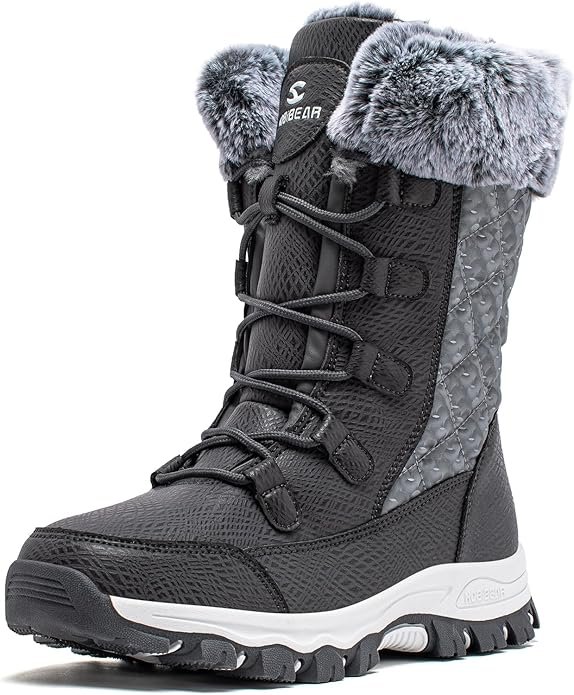
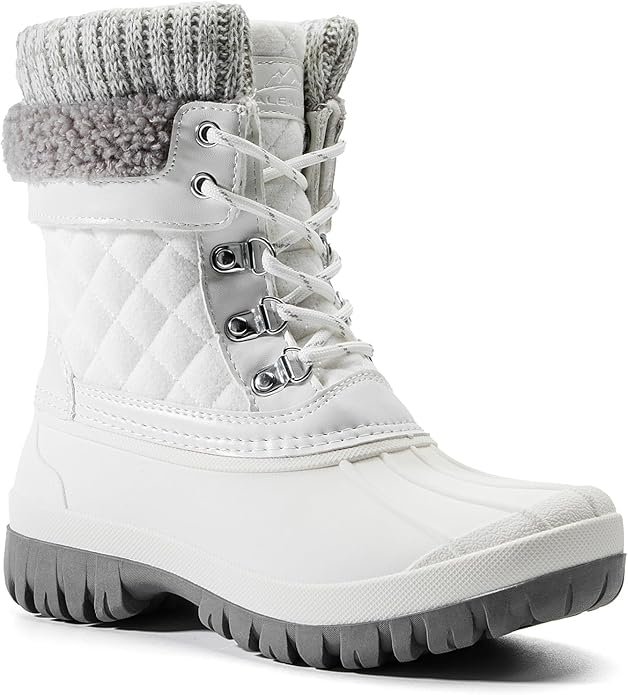
HOBIBEAR Women's Winter Snow Boots Waterproof all Colors avaibles
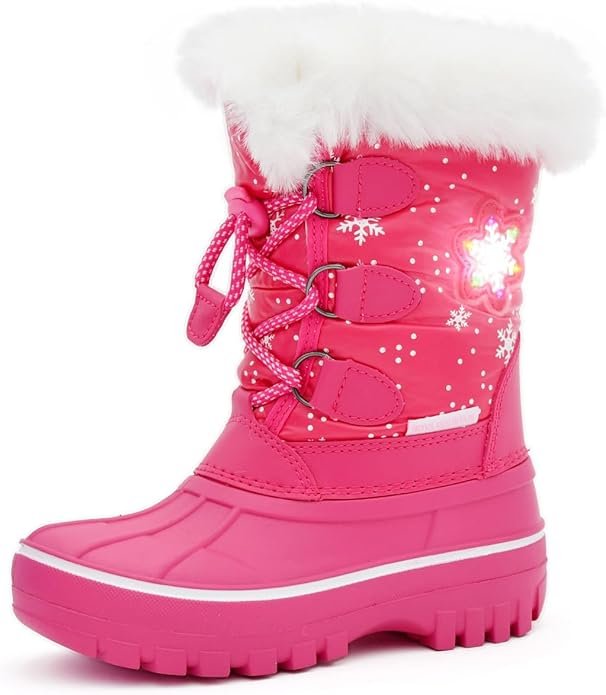
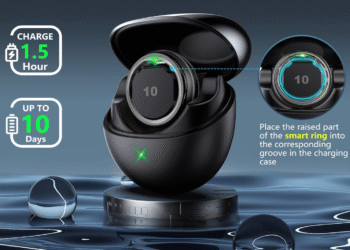
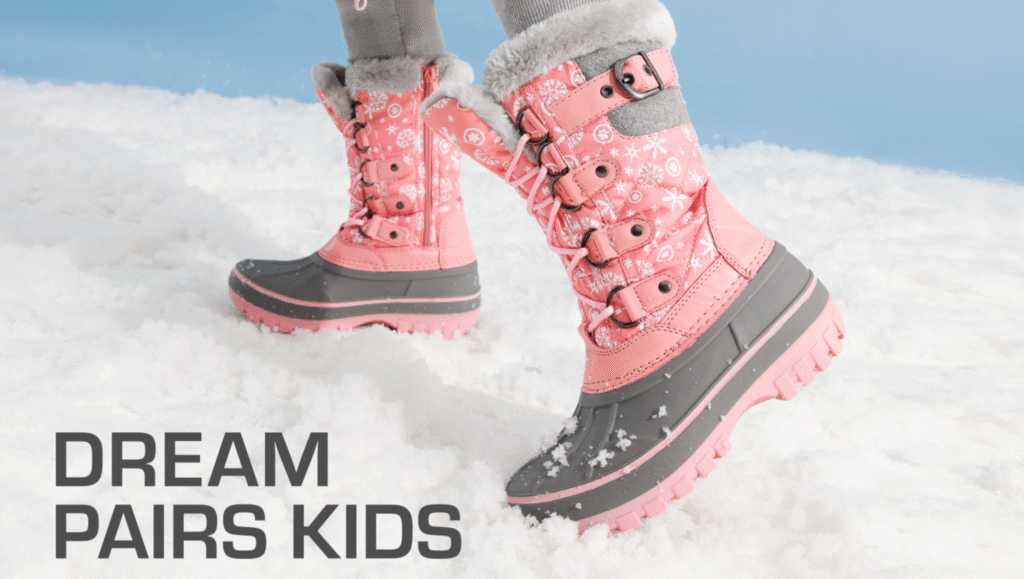
Nova Mountain Light Up Boots Boys Girls Little Kids Winter Snow Boots
Here are the most important features you should evaluate when choosing winter boots. Use this section to educate your readers—with affiliate links sprinkled later.
2.1 Waterproofing & Membrane
Look for boots that explicitly state they’re waterproof (not just water-resistant). Many use membranes like Gore-Tex or equivalent proprietary systems. Sealed seams and a waterproof lining make a big difference in slush and melting snow2.2 Insulation & Warmth
Winter boots must trap heat, but not make your feet sweat unbearably. Synthetic insulations (Thinsulate™, PrimaLoft®) or high-quality wool/faux-fur linings are common. Consider the climate you’ll be in: lighter boots for mild winters, heavy insulation for sub-zero conditions.
2.3 Traction & Outsole Design
Cold rubber stays flexible and grips better; look for lug patterns, multi-directional treads and materials rated for ice/slush. Some boots also integrate ice-specific technologies (studs, special rubber compounds) for extreme conditions.
2.4 Fit, Height & Coverage
Boot height matters: a mid-calf boot gives more protection from snow ingress than a low ankle boot. Try boots with the socks you’ll wear in winter (thicker wool socks) and check toe room + heel lockdown.
2.5 Style & Versatility
While functionality comes first, many modern winter boots balance style and practicality—making them suitable for both outdoor use and urban wear. Stylish boots encourage wear—if you like how they look, you’ll wear them more often.
If you’ll use boots primarily for light winter weather but still want the warm-and-dry bonus.
Use the feature guide above to choose based on your needs and budget.
4. Top Waterproof Winter Boots
Below are our top picks of waterproof winter boots you can find via Amazon (affiliate links). Each offers different strengths, budgets and styles. Remember to insert your Amazon affiliate link in each product slot.
Note: You’ll need to ensure the products are eligible for your affiliate program and check local availability / shipping to your target audience (Italy/EU) if your site focuses there.
– Men’s rugged snow boot with tall shaft, waterproof plus snow-gaiter compatibility, built for heavier terrain. Ideal for hiking / snow country.
(You can expand to 10 picks if desired.)
Each listing should include: price range, key features, pros, cons, and affiliate link call-to-action (CTA: “Check price on Amazon”).
5. Winter Maintenance Tips
Once you’ve bought a great pair, a bit of care will make them last longer and perform better:
Clean off salt, slush and grit after use to prevent damage to materials and waterproof membranes.
Re-apply waterproofing spray / wax (especially on leather uppers) annually or mid-season
Allow boots to dry naturally—not near a heat source—to preserve insulation and membranes.
Use a boot dryer or remove insoles overnight if they get damp.
Rotate boots if you have multiple pairs—the insulation recovers and you’ll reduce wear.
6. Frequently Asked Questions (FAQ)
Q: Are waterproof boots necessary if I only walk in light snow? A: Yes—because even light snow melts and slush forms, which can saturate non-waterproof boots and reduce insulation effectiveness. Waterproofing is a foundational feature. Q: How much insulation do I need? A: Depends on climate. For moderate winters (~0 °C to –5 °C) 200-400g synthetic insulation is typically enough; for sub-zero temps you may want 600g+ or dedicated snow-boots. Q: Will a high-top boot hinder mobility? A: They are bulkier but offer more protection from snow ingress and ankle support. For urban use you may prefer mid-height; for active snow use go tall. Q: Can style and function coexist? A: Absolutely many brands now combine waterproofing and insulation with fashionable silhouettes. You don’t have to sacrifice aesthetics.